Iopamidol is a non-ionic, low-osmolar iodinated contrast agent widely used in diagnostic radiology to enhance the visibility of internal body structures during X-ray-based imaging procedures. As a water-soluble organic compound containing three iodine atoms per molecule, it effectively absorbs X-rays, appearing radiopaque on images. This property allows radiologists and clinicians to obtain clearer, more detailed pictures of blood vessels, organs, and tissues that would otherwise be difficult to distinguish on plain radiographs or computed tomography (CT) scans.
Chemically, iopamidol has the formula C₁₇H₂₂I₃N₃O₈. It belongs to the class of monomeric, non-ionic contrast media, which are generally better tolerated than older ionic, high-osmolar agents. Its lower osmolality reduces the risk of adverse reactions such as pain during injection, endothelial damage, and contrast-induced nephropathy. Common commercial concentrations range from 200 mgI/mL to 370 mgI/mL, allowing flexibility based on the specific imaging requirement.
Clinical Uses and Applications
Iopamidol is administered via multiple routes depending on the diagnostic need: intravenous (IV), intra-arterial, or intrathecal. Its primary applications include:
· CT: Intravenous contrast enhancement of the head and body for tumor detection, vascular assessment, and organ perfusion studies.
· Angiography: Cerebral, coronary, peripheral, and visceral arteriography, as well as aortography and ventriculography.
· Urography: Intravenous excretory urography to evaluate the kidneys, ureters, and bladder.
· Myelography and Neuroradiology: Intrathecal use, with specific formulations like Isovue-M, for imaging the spinal canal, cisternography, and ventriculography.
It helps diagnose conditions affecting the brain, heart, blood vessels, and other organs by highlighting abnormalities such as stenoses, aneurysms, tumors, or blockages. Because it is rapidly excreted by the kidneys in patients with normal renal function, it provides a good safety margin for many procedures.
Compared with high-osmolar ionic agents, iopamidol offers improved patient comfort and a lower incidence of side effects. It also demonstrates advantages in viscosity and osmolality profiles over some other low-osmolar agents, which can help minimize renal stress factors during administration.
Safety Profile and Precautions
While generally well tolerated, iopamidol is not without risks. The most serious potential complications include allergic or anaphylactoid reactions, ranging from mild hives and itching to severe anaphylaxis. Patients with a history of asthma, allergies, or previous reactions to contrast media require special caution and may need premedication with corticosteroids and antihistamines.
Another key concern is contrast-induced acute kidney injury (CI-AKI), particularly in patients with pre-existing renal impairment, diabetes, dehydration, or advanced age. Adequate hydration before and after the procedure is strongly recommended to promote rapid excretion and protect kidney function. Thyroid function can also be affected in some cases, especially in young children or those with underlying thyroid disease.
Other possible side effects include nausea, vomiting, flushing, dizziness, headache, and a metallic taste. Rare but serious events may involve seizures (especially with intrathecal use), cardiovascular effects, or severe skin reactions. Healthcare providers carefully weigh benefits against risks, monitor vital signs, and perform pre-procedure laboratory tests, particularly renal function (eGFR).
Iopamidol is contraindicated in patients with active infection for certain routes or known hypersensitivity. It should be used with caution in individuals with multiple myeloma, sickle cell disease, or severe heart failure. Pregnant and breastfeeding women require individualized assessment due to potential risks to the fetus or infant.
Beilu Pharma's Iopamidol Injection
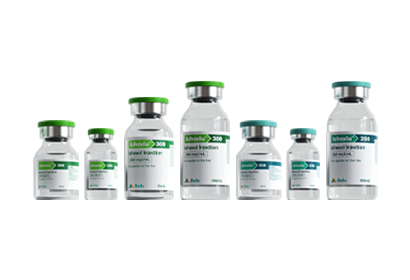
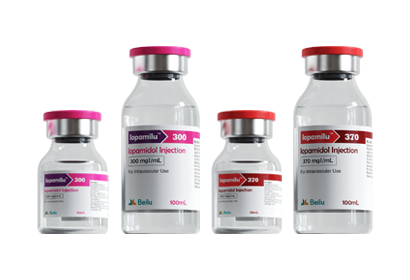
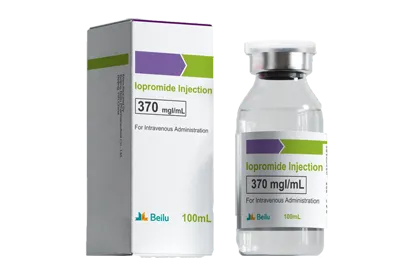
In the global contrast media market, Beilu Pharma has established itself as a reliable and professional manufacturer. As one of the earliest Chinese companies in this field, Beilu Pharma offers high-quality Iopamidol Injection in 300 mgI/mL and 370 mgI/mL strengths, available in 50 mL and 100 mL vials. The product is a non-ionic, water-soluble iodinated contrast medium specifically developed for radiology diagnosis, interventional therapy, and cardiovascular imaging under X-ray, including CT and digital subtraction angiography.
Beilu Pharma's Iopamidol Injection features favorable physicochemical properties, including an osmolality of 616 mOsm/kg (for the 300 mgI/mL concentration) and viscosity of 4.7 cP at 37°C. These characteristics contribute to better patient tolerability and a potentially reduced risk of renal injury compared to some higher-osmolality alternatives. The formulation has successfully passed the Consistency Evaluation for Generic Drugs in China and has won bids in the country's centralized pharmaceutical procurement.
Produced in EU GMP-certified facilities, Beilu Pharma's Iopamidol maintains strict quality standards. The company also supplies Iopamidol as an active pharmaceutical ingredient (API), ensuring vertical integration and reliable supply. This comprehensive approach supports both domestic and international markets, providing clinicians with a dependable option for contrast-enhanced imaging.
Administration and Patient Care
Iopamidol is always administered by trained healthcare professionals in a clinical setting equipped for emergency response. The dose and concentration vary according to the patient's age, weight, renal function, and the specific procedure. Post-procedure hydration remains one of the most important measures to facilitate elimination and protect the kidneys.
Patients should inform their doctors about all medications (especially metformin), allergies, and medical conditions prior to receiving iopamidol. Follow-up monitoring may include blood and urine tests to detect any unwanted effects.
Iopamidol represents a significant advancement in contrast technology, offering excellent radiographic enhancement with an improved safety profile over earlier generations of iodinated agents. Its versatility across CT, angiography, urography, and myelography makes it a cornerstone in modern diagnostic radiology.
With careful patient selection, proper hydration protocols, and high-quality formulations from manufacturers such as Beilu Pharma, iopamidol continues to help clinicians deliver accurate diagnoses while minimizing risks. As imaging technology evolves, agents like iopamidol will remain essential tools in the pursuit of better patient outcomes through clearer, more informative medical images.

 EN
EN
 jp
jp  fr
fr  de
de  es
es  ru
ru  pt
pt  ar
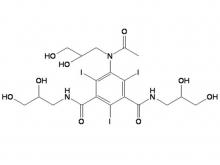
ar 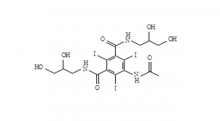 Iohexol Intermediate 5-Amino-N,N'-bis(2,3-dihydroxypropyl)-2,4,6-triiodo-1,3-benzenedicarboxamide
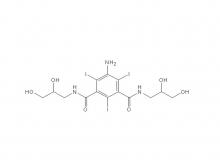 Iohexol/Ioversol Intermediate 5-Amino-N, N'-bis(2,3-dihydroxypropyl)-2,4,6-triiodo-1,3-benzenedicarboxamide
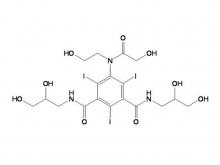
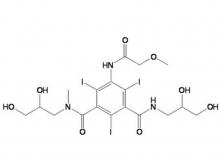
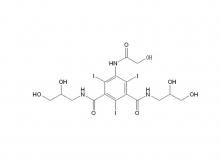 Ioversol Intermediate (order based) N, N'-Bis(2,3-dihydroxypropyl)-5-(glycoloylamino)-2,4,6-triiodoisophthalamide
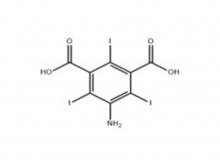 Iopamidol Intermediate (order based) 5-Amino-2,4,6-triiodoisophthalic acid
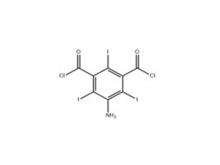 Iopamidol Intermediate (order based) 5-Amino-2,4,6- triiodisophthaloyl acid dichloride
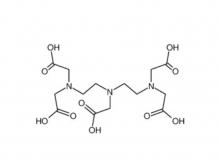 Diethylenetriaminepentaacetic acid (DTPA)
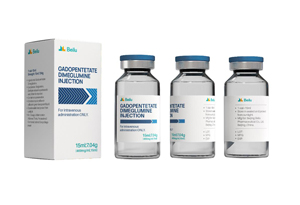
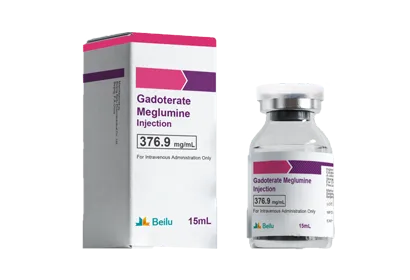


![[New Product] Beilu Pharma's Ioversol Injection Receives Approval](/uploads/image/20260514/beilupharmas-ioversol-injection-receives-approval_20260514111509_400x400.webp)

![[Good News] Pioglitazone and Metformin Hydrochloride Tablets Preliminarily Selected in the 12th National Centralized Drug Procurement](/themes/admincp-v5.0/img/nopic.png)

 Call us on:
  Email Us:
  No.3 Shuiyuan West Road, Miyun District, Beijing, China