Glimepiride is a widely prescribed oral medication belonging to the sulfonylurea class, primarily used to manage type 2 diabetes mellitus. It helps lower blood glucose levels in patients whose condition cannot be adequately controlled through diet, exercise, and weight management alone. By stimulating insulin release from the pancreas and improving the body's sensitivity to insulin, glimepiride addresses two core pathophysiological defects in type 2 diabetes: impaired insulin secretion and insulin resistance.
Healthcare providers commonly recommend glimepiride as monotherapy or in combination with other antidiabetic agents such as metformin or acarbose. Clinical evidence shows that it effectively reduces fasting plasma glucose (FPG), postprandial plasma glucose (PPG), and glycosylated hemoglobin (HbA1c), key markers for long-term glycemic control. Proper use of glimepiride, alongside lifestyle modifications, can significantly lower the risk of diabetes-related complications, including cardiovascular disease, neuropathy, nephropathy, and retinopathy.
Mechanism of Action
Glimepiride works by binding to ATP-sensitive potassium channels on pancreatic beta cells. This binding closes the channels, leading to cell depolarization, calcium influx, and subsequent insulin secretion. Unlike some older sulfonylureas, glimepiride also demonstrates extrapancreatic effects, such as enhancing insulin sensitivity in peripheral tissues and reducing hepatic glucose production to a certain extent. This dual action makes it particularly suitable for patients with type 2 diabetes who still have some residual beta-cell function.
Importantly, glimepiride is not indicated for type 1 diabetes, diabetic ketoacidosis, or diabetic coma, as these conditions require insulin therapy and different management strategies. It is ineffective in patients whose bodies do not produce insulin naturally.
Clinical Uses and Patient Selection
The primary use of glimepiride tablets is to treat type 2 diabetes in adults when diet and exercise prove insufficient. Doctors often initiate therapy with a low dose and titrate upward based on the patient's blood glucose response. Typical starting doses are 1 mg or 2 mg once daily, taken with breakfast or the first main meal to minimize the risk of hypoglycemia. The maximum recommended daily dose usually does not exceed 8 mg, though individual needs vary.
Patients with mild to moderate hyperglycemia benefit most from glimepiride. It offers the convenience of once-daily dosing, which improves adherence compared to medications requiring multiple daily administrations. For newly diagnosed patients, monotherapy with glimepiride can achieve comprehensive blood sugar control. In cases of inadequate response, combination therapy enhances efficacy without necessarily increasing the risk of severe side effects proportionally.
Older adults (65 years and above) require cautious use, as they may be more susceptible to hypoglycemia. Doctors often prefer alternative agents for this population when possible. Patients with kidney or liver impairment also need dose adjustments and close monitoring.
Safety Profile and Side Effects
Like all sulfonylureas, glimepiride carries a risk of hypoglycemia (low blood sugar), especially if meals are skipped, exercise is intense, or alcohol is consumed. Symptoms include sweating, trembling, dizziness, confusion, and in severe cases, seizures or loss of consciousness. Patients should always carry a quick source of glucose, such as candy or glucose tablets.
Other common side effects include nausea, dizziness, and headache. Less frequent but more serious effects can involve allergic reactions, liver enzyme elevations, or blood disorders. Glimepiride may cause photosensitivity, so patients should use sunscreen and protective clothing when outdoors.
Compared with glibenclamide (glyburide), an older sulfonylurea, glimepiride demonstrates a more favorable safety profile regarding hypoglycemia. Short-term hypoglycemia risk is approximately one-third, and long-term risk is about one-seventh that of glibenclamide. It also has minimal impact on body weight, which is a significant advantage for diabetic patients who often struggle with weight management.
Drug interactions are important to consider. Glimepiride can interact with NSAIDs, certain antibiotics, beta-blockers, and alcohol, potentially altering blood glucose levels or increasing side effect risks. Patients must inform their healthcare providers about all medications, supplements, and herbal products they use.
Beilu Pharma's Glimepiride Tablets
Among the reliable options available, Beilu Pharma offers high-quality tablet glimepiride under the brand name Dibei. Launched in 2001 as the company's first hypoglycemic product, it was classified as a second-class national new drug in China. Beilu Pharma's formulation promotes insulin secretion while improving insulin resistance, directly targeting the two major abnormalities in type 2 diabetes.
Beilu's Glimepiride Tablets are available in 1 mg and 2 mg strengths, provided in convenient aluminum-plastic packaging (for example, 1 mg × 30 tablets or 2 mg × 15/30 tablets). The white tablets are easy to identify and store in a cool, dry place, with a shelf life of 24 months.
Beilu Pharma maintains a strong focus on quality in its antidiabetic portfolio, ensuring that patients receive consistent therapeutic benefits when using their glimepiride tablets as part of a comprehensive diabetes management plan.
Lifestyle Integration and Monitoring
Successful treatment with glimepiride extends beyond taking the tablet. Patients must adhere to a balanced diet low in refined carbohydrates, engage in regular physical activity, and maintain a healthy weight. Regular self-monitoring of blood glucose and periodic laboratory tests, including HbA1c every three to six months, are essential to assess treatment effectiveness and guide dose adjustments.
In situations of illness, stress, surgery, or changes in physical activity, blood sugar levels can fluctuate, requiring temporary dose modifications under medical supervision. Pregnant or breastfeeding women should consult their doctors, as glimepiride is generally not recommended during these periods due to potential risks to the fetus or infant.
Glimepiride remains a valuable tool in the management of type 2 diabetes, offering effective glycemic control with a convenient dosing schedule and a generally well-tolerated profile when used appropriately. Its ability to stimulate insulin secretion and improve insulin sensitivity helps millions of patients worldwide reduce their risk of serious complications.
Whether used alone or in combination therapy, glimepiride supports better quality of life when integrated into a holistic treatment approach that includes diet, exercise, and regular medical follow-up. Trusted manufacturers like Beilu Pharma contribute to this effort by providing reliable, high-quality glimepiride tablets that meet the needs of patients seeking consistent blood sugar management.
Patients should always work closely with their healthcare providers to determine if glimepiride is suitable for them and to ensure safe, effective use. With proper education and adherence, glimepiride can play a central role in empowering individuals to live healthier lives with diabetes.

 EN
EN
 jp
jp  fr
fr  de
de  es
es  ru
ru  pt
pt  ar
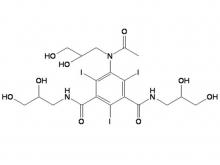
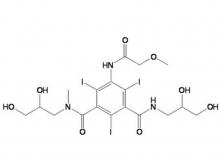
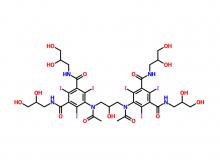
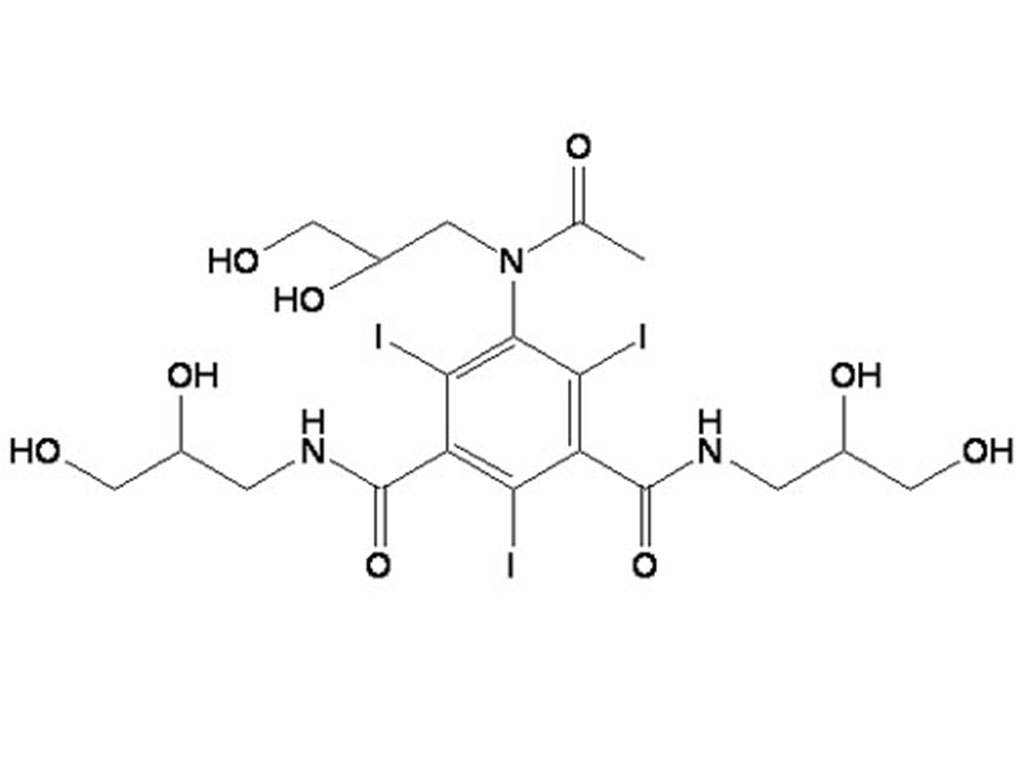
ar 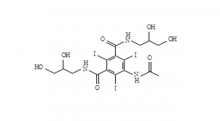 Iohexol Intermediate 5-Amino-N,N'-bis(2,3-dihydroxypropyl)-2,4,6-triiodo-1,3-benzenedicarboxamide
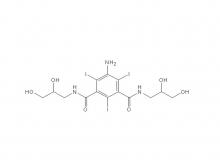 Iohexol/Ioversol Intermediate 5-Amino-N, N'-bis(2,3-dihydroxypropyl)-2,4,6-triiodo-1,3-benzenedicarboxamide
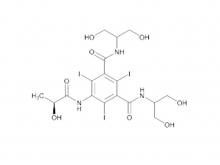
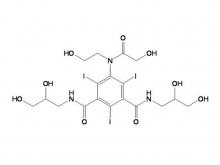
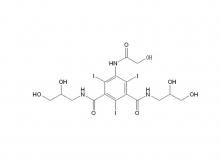 Ioversol Intermediate (order based) N, N'-Bis(2,3-dihydroxypropyl)-5-(glycoloylamino)-2,4,6-triiodoisophthalamide
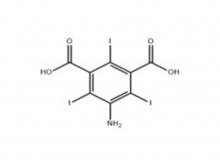 Iopamidol Intermediate (order based) 5-Amino-2,4,6-triiodoisophthalic acid
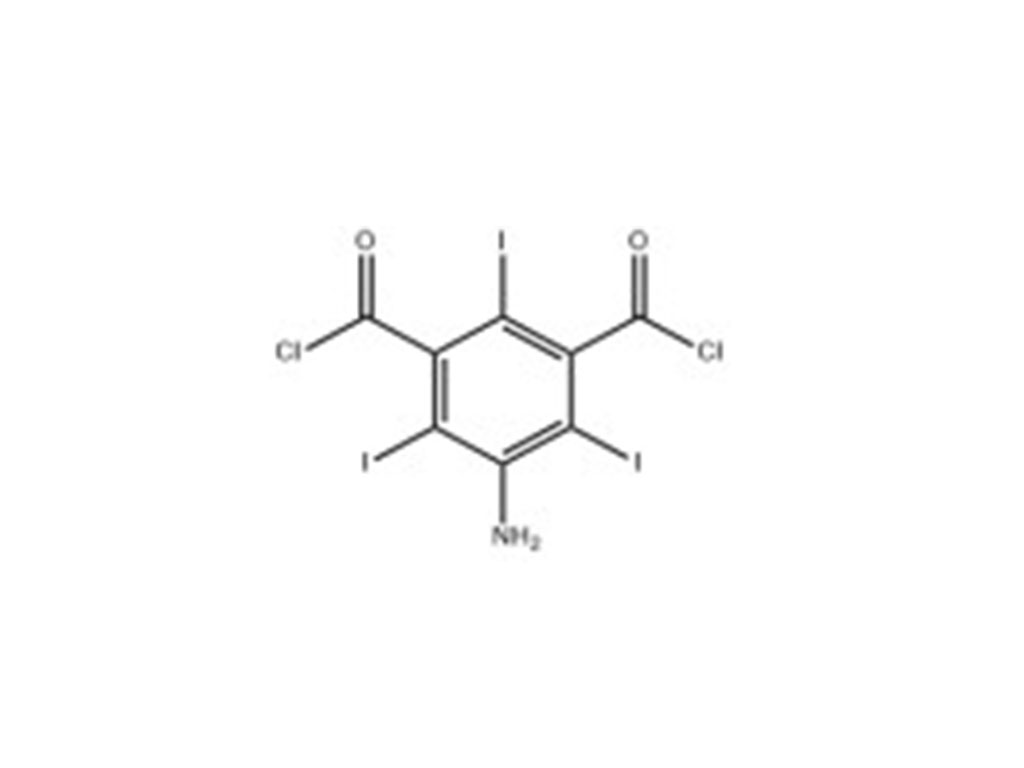
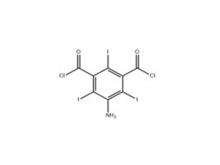 Iopamidol Intermediate (order based) 5-Amino-2,4,6- triiodisophthaloyl acid dichloride
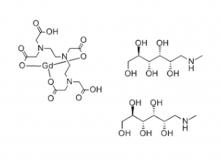
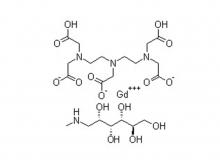
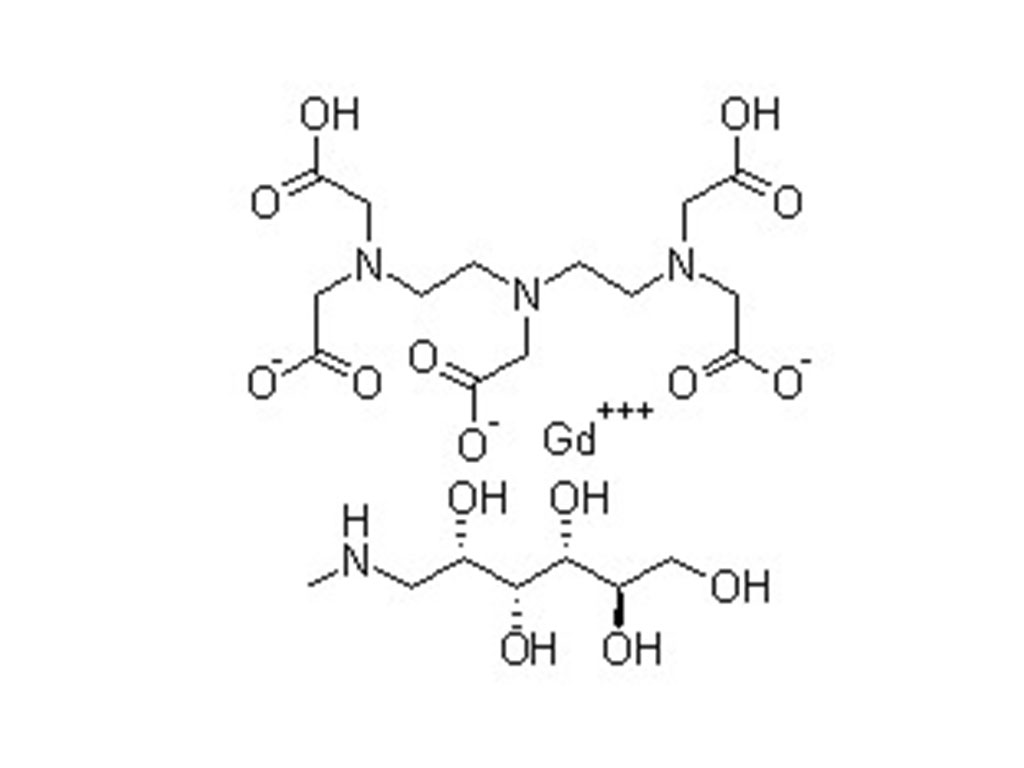
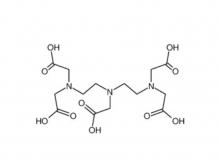 Diethylenetriaminepentaacetic acid (DTPA)
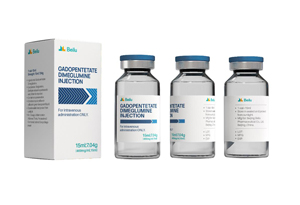
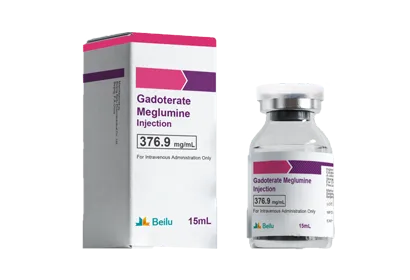





_Approved_by_NMPA_20260514140837_400x400.webp)

 Call us on:
  Email Us:
  No.3 Shuiyuan West Road, Miyun District, Beijing, China