Contrast technology plays a pivotal role in modern diagnostic imaging, enabling healthcare professionals to visualize internal structures with remarkable clarity. By altering how imaging modalities interact with tissues, whether through X-ray attenuation, magnetic properties, sound wave reflection, or other mechanisms, contrast agents enhance the differentiation between normal and abnormal tissues, vessels, and organs. This improved visibility supports accurate diagnosis of conditions ranging from tumors and vascular diseases to gastrointestinal disorders and cardiac abnormalities.
Radiologists and clinicians rely on several distinct types of contrast media, each tailored to specific imaging modalities such as computed tomography (CT), magnetic resonance imaging (MRI), conventional radiography, fluoroscopy, and ultrasound. The primary categories include iodinated contrast agents, gadolinium-based contrast agents (GBCAs), barium sulfate suspensions, and microbubble agents. Selection depends on the imaging technique, clinical indication, patient risk factors, and desired safety profile.
Iodinated Contrast Media for X-ray and CT Imaging
Iodinated contrast media represent the most widely used agents in X-ray-based modalities, including CT, fluoroscopy, and angiography. These water-soluble organic compounds contain iodine atoms with high atomic numbers, which strongly absorb X-rays and appear radiopaque on images. They are classified by ionicity (ionic versus non-ionic) and osmolality (high-osmolar, low-osmolar, or iso-osmolar).
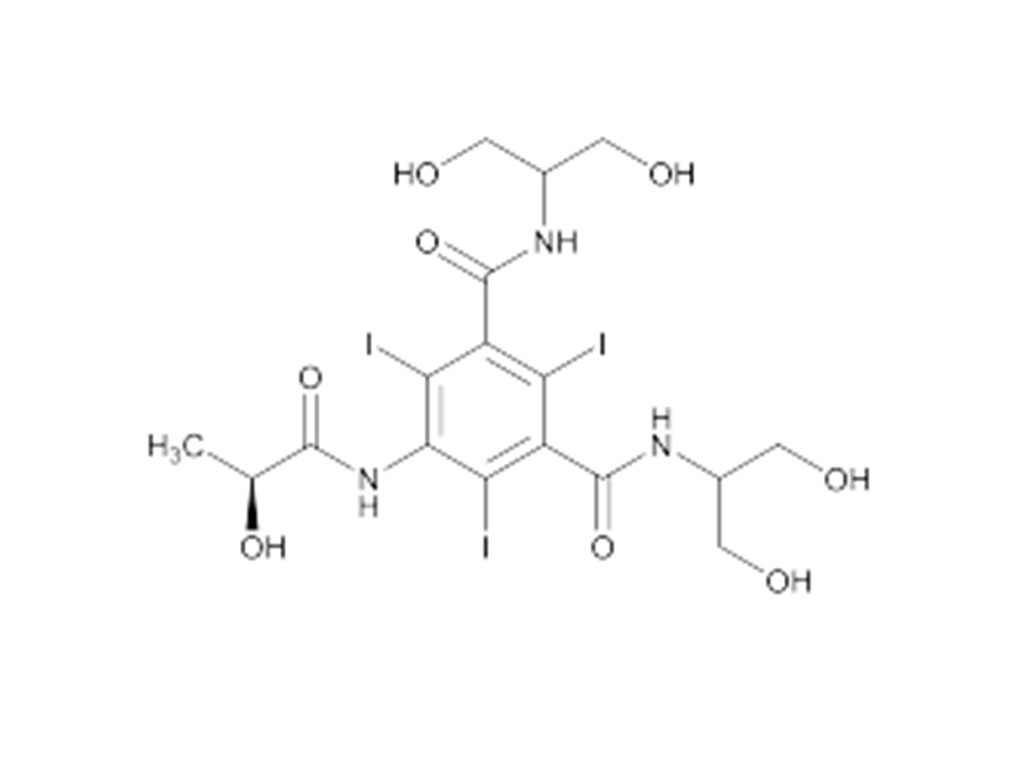
Non-ionic low-osmolar agents, such as iohexol and iopamidol, dominate clinical practice due to better tolerability and lower risk of adverse reactions compared to older ionic high-osmolar formulations. Iodixanol, an iso-osmolar agent, matches blood osmolality closely, making it particularly suitable for patients with impaired renal function to minimize the risk of contrast-induced nephropathy.
These agents are administered intravenously for CT angiography, organ perfusion studies, and tumor characterization, or intra-arterially during interventional procedures. Common uses include evaluating coronary arteries, detecting pulmonary emboli, assessing abdominal masses, and guiding catheter placements. While highly effective, precautions are necessary for patients with allergies, thyroid disorders, or reduced kidney function. Hydration and dose minimization help mitigate risks.
Gadolinium-Based Contrast Agents for MRI
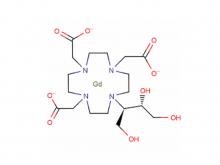
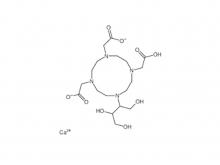
In MRI, gadolinium-based contrast agents (GBCAs) serve as the primary enhancers. Gadolinium is a paramagnetic metal that shortens the T1 relaxation time of nearby water protons, producing bright enhancement on T1-weighted images. These agents are chelated with carrier molecules to reduce toxicity, existing in linear or more stable macrocyclic structures. Macrocyclic agents, such as gadobutrol, exhibit greater kinetic stability and lower likelihood of releasing free gadolinium ions, which is associated with the low risk of nephrogenic systemic fibrosis (NSF) in patients with severe renal impairment.
GBCAs are injected intravenously to improve visualization of brain tumors, multiple sclerosis plaques, strokes, liver lesions, musculoskeletal disorders, and vascular structures via MR angiography. Hepatobiliary-specific agents allow dual-phase imaging of the liver. Unlike iodinated agents, GBCAs do not rely on X-ray absorption but on magnetic field interactions, making them incompatible with CT or plain radiography.
Barium Sulfate and Gastrointestinal Applications
Barium sulfate suspensions function as positive contrast agents exclusively for gastrointestinal (GI) tract imaging under fluoroscopy and conventional X-ray. This inert, insoluble compound with a high atomic number coats mucosal surfaces, revealing details such as ulcers, polyps, strictures, motility disorders, and swallowing abnormalities. Formulations vary in density, high-density for esophagrams, medium for small bowel follow-through, and low-density for double-contrast studies.
Barium is administered orally or rectally and remains confined to the GI lumen without systemic absorption, resulting in an excellent safety profile for most patients. However, it is contraindicated in cases of suspected GI perforation due to the risk of peritonitis. Water or air can serve as neutral or negative contrasts in certain protocols to complement barium studies.
Microbubble Contrast for Ultrasound
Ultrasound contrast agents, typically gas-filled microbubbles, enhance echogenicity by oscillating under sound waves and producing harmonic signals. These intravenous agents improve characterization of liver lesions, assessment of myocardial perfusion, and evaluation of cardiac function. Microbubbles clear rapidly from circulation, offering a favorable safety margin for patients with renal concerns who may not tolerate iodinated or gadolinium agents.
Emerging neutral contrasts like water or negative agents like carbon dioxide also find niche applications in specific procedures, such as CT colonography or angiography.
Patient Safety and Selection Considerations
All contrast media carry potential risks, including allergic-like reactions, nephrotoxicity, and rare complications like NSF with certain linear GBCAs. Pre-screening for renal function (eGFR), history of allergies, and thyroid status is standard. Non-ionic, low- or iso-osmolar iodinated agents and stable macrocyclic GBCAs have significantly improved safety over older formulations. Radiologists tailor choices to balance diagnostic benefit against individual patient risks.
Beilu Pharma's Contribution to Contrast Technology
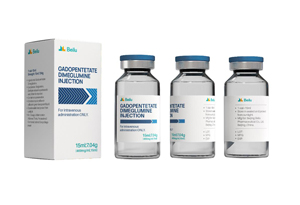
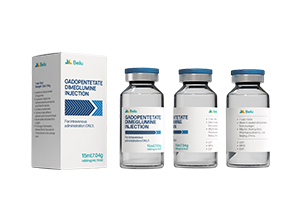
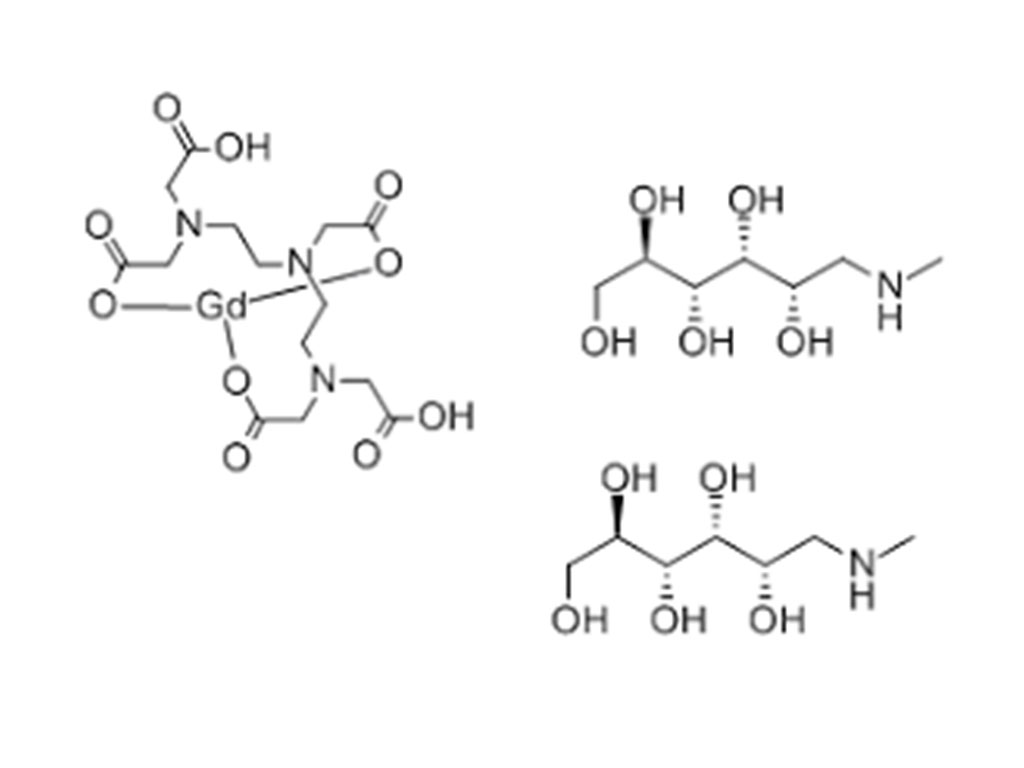
As a leading player in this field, Beilu Pharma stands out as the first contrast media manufacturer in China and one of the most professional in the industry. In 1992, the company launched Gadopentetate Dimeglumine Injection, the first domestic MRI contrast medium, breaking foreign monopoly and filling a critical gap in China's healthcare landscape. Today, Beilu Pharma offers a comprehensive portfolio spanning both CT/X-ray and MRI modalities, manufactured under EU-standard facilities.
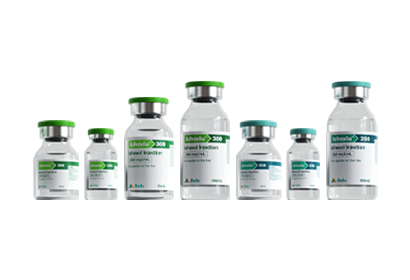
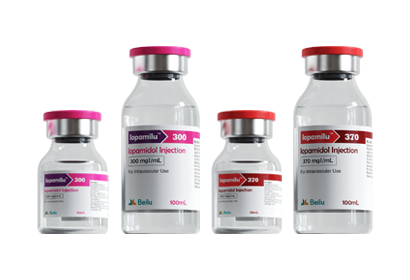
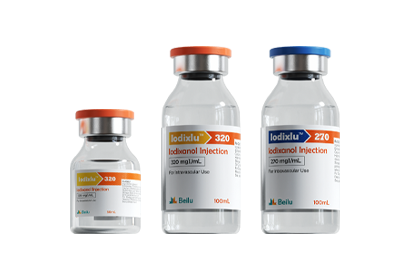
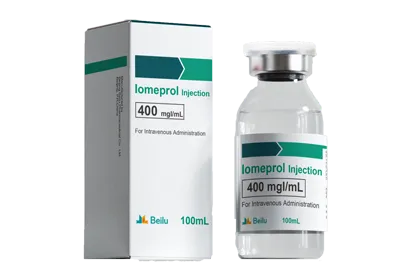
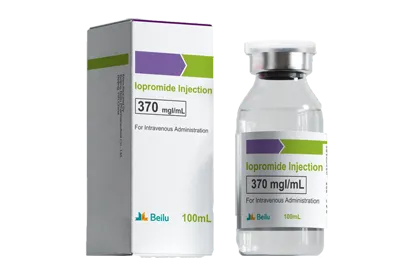
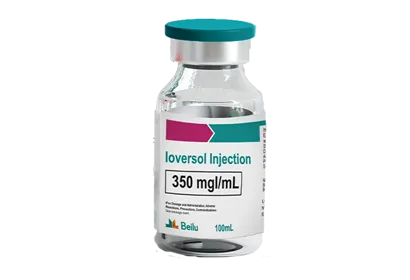
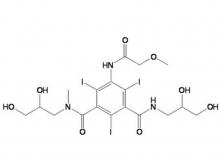
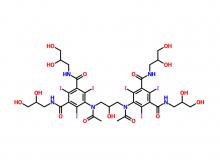
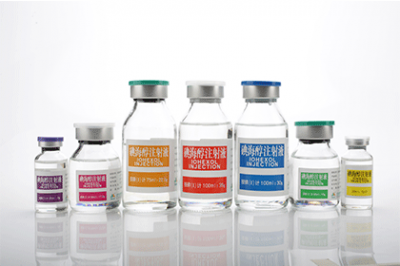
Beilu's iodinated contrast agents include Iopamidol Injection (low-osmolar, available in 300 mgI/ml and 370 mgI/ml strengths), Iohexol Injection (with EU marketing authorization), Iodixanol Injection (iso-osmolar at 270 mOsm/kg, ideal for renal-compromised patients) etc. These agents support high-quality CT and vascular imaging with favorable viscosity and osmolality profiles.
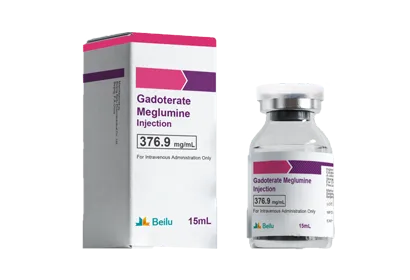
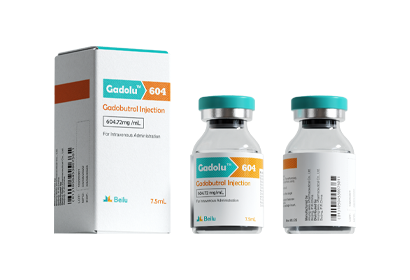
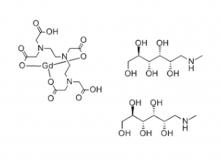
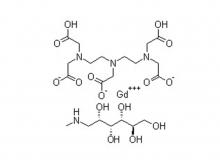
On the MRI side, Beilu provides Gadopentetate Dimeglumine Injection, Gadoterate Meglumine Injection, Gadobutrol Injection (macrocyclic for enhanced stability), Gadobenate Dimeglumine Injection (hepatobiliary specificity and high relaxivity) ,etc. The company also supplies active pharmaceutical ingredients (APIs) such as iohexol, iodixanol, iopamidol, and various gadolinium complexes, ensuring reliable supply chains for global markets.
Beilu Pharma's commitment to quality, innovation, and consistency evaluation has made its products trusted choices in centralized procurement and clinical settings. Their formulations help radiologists achieve clear, diagnostic-quality images while addressing patient safety through optimized physicochemical properties.
Future Directions
Advances in contrast technology continue with targeted agents, nanoparticle formulations, and dual-energy CT protocols that reduce required doses. Artificial intelligence is also aiding in better risk stratification and image optimization. Despite these innovations, core types, iodinated, gadolinium-based, barium, and microbubbles, remain foundational to diagnostic radiology.
In conclusion, understanding the different types of contrast technology empowers clinicians to select the most appropriate agent for each patient and modality. From enhancing vascular detail in CT with iodinated media to providing bright tissue enhancement in MRI with gadolinium agents, these tools have transformed medical imaging. Manufacturers like Beilu Pharma, with their pioneering history and broad, high-quality product range, play an essential role in making advanced contrast-enhanced diagnostics accessible and safe worldwide.
Effective use of contrast media, guided by evidence-based protocols and patient-centered care, ultimately leads to earlier detection, precise characterization, and improved outcomes across a wide spectrum of diseases.

 EN
EN
 jp
jp  fr
fr  de
de  es
es  ru
ru  pt
pt  ar
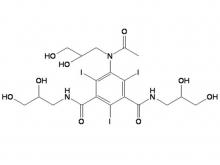
ar 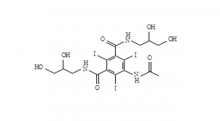 Iohexol Intermediate 5-Amino-N,N'-bis(2,3-dihydroxypropyl)-2,4,6-triiodo-1,3-benzenedicarboxamide
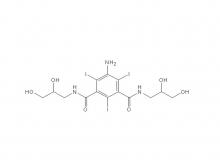 Iohexol/Ioversol Intermediate 5-Amino-N, N'-bis(2,3-dihydroxypropyl)-2,4,6-triiodo-1,3-benzenedicarboxamide
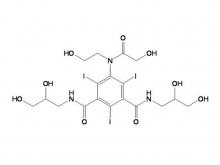
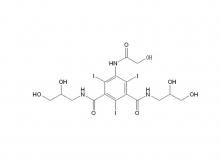 Ioversol Intermediate (order based) N, N'-Bis(2,3-dihydroxypropyl)-5-(glycoloylamino)-2,4,6-triiodoisophthalamide
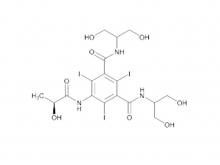
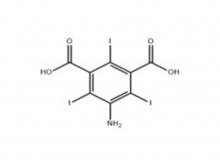 Iopamidol Intermediate (order based) 5-Amino-2,4,6-triiodoisophthalic acid
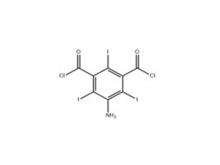 Iopamidol Intermediate (order based) 5-Amino-2,4,6- triiodisophthaloyl acid dichloride
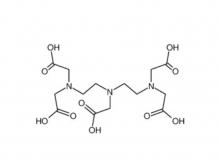 Diethylenetriaminepentaacetic acid (DTPA)
![[New Product] Beilu Pharma's Ioversol Injection Receives Approval](/uploads/image/20260514/beilupharmas-ioversol-injection-receives-approval_20260514111509_400x400.webp)



 Call us on:
  Email Us:
  No.3 Shuiyuan West Road, Miyun District, Beijing, China