Anti-diabetic drugs are medicines used to help manage blood glucose through different biological mechanisms. Some stimulate insulin secretion, others improve insulin sensitivity, reduce glucose production by the liver, delay carbohydrate absorption or increase glucose elimination through the kidneys. They are therefore not one single type of medicine, but a broad group of pharmacological classes.
This article focuses mainly on oral antidiabetic drugs used in type 2 diabetes and explains why their mechanisms differ. Treatment decisions, however, should always follow approved product labeling and qualified healthcare guidance.
What Are Anti-Diabetic Drugs?
Type 2 diabetes can involve both reduced effectiveness of insulin and inadequate insulin secretion. As a result, different drug classes target different parts of glucose regulation. MedlinePlus identifies eight major classes of oral diabetes medicines and notes that these drugs may be used alone or in combination.
A simplified overview of major classes is:
Drug Class | Main Mechanism | Common Example |
Biguanides | Reduce hepatic glucose production and improve insulin sensitivity | Metformin |
Sulfonylureas | Stimulate pancreatic insulin secretion | Glimepiride |
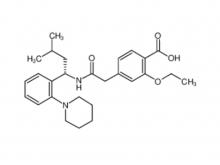
Meglitinides | Stimulate relatively rapid insulin secretion | Repaglinide |
Thiazolidinediones | Improve tissue sensitivity to insulin | Pioglitazone |
DPP-4 inhibitors | Enhance incretin-related glucose regulation | Sitagliptin |
SGLT2 inhibitors | Increase urinary glucose excretion | Empagliflozin |
Alpha-glucosidase inhibitors | delay carbohydrate digestion and absorption | Miglitol |
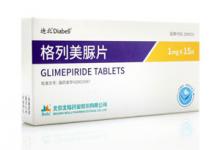
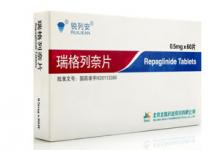
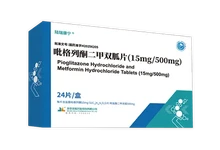
Beilu Pharma's current anti-diabetic drugs portfolio includes glimepiride tablets, repaglinide tablets, Miglitol tablets and pioglitazone hydrochloride/metformin hydrochloride tablets.
Major Classes of Oral Anti-Diabetic Drugs and How They Work
Understanding the types of anti-diabetic drugs is easier when they are grouped according to mechanism rather than memorized as a list of medicine names.
Insulin secretagogues stimulate pancreatic beta cells to release insulin. Sulfonylureas such as glimepiride and meglitinides such as repaglinide both belong broadly to this mechanism, although their pharmacological profiles differ. MedlinePlus identifies both groups as medicines that increase insulin production.
Insulin sensitizers address a different problem. Thiazolidinediones such as pioglitazone improve the sensitivity of tissues to insulin. Metformin, a biguanide, also improves insulin sensitivity while importantly reducing glucose production by the liver.
Other oral antidiabetic drugs use completely different pathways. DPP-4 inhibitors affect incretin-related regulation, while SGLT2 inhibitors lower blood glucose by increasing glucose excretion in urine. Alpha-glucosidase inhibitors delay carbohydrate digestion and absorption.
This diversity explains why “anti-diabetic drug” describes a therapeutic category rather than one shared mechanism.
Sulfonylureas vs Meglitinides: Two Ways to Stimulate Insulin Secretion
Sulfonylureas and meglitinides both stimulate insulin secretion, but they are separate pharmacological classes.
Glimepiride tablets are sulfonylurea medicines. Beilu identifies glimepiride as an oral antidiabetic drug for type 2 diabetes and describes increasing insulin secretion as one of its key mechanisms.
Repaglinide tablets are non-sulfonylurea insulin secretagogues and belong to the meglitinide class. MedlinePlus describes meglitinides such as repaglinide as drugs that increase pancreatic insulin production and notes their meal-related, relatively short-acting use profile.
The key distinction is therefore not that one stimulates insulin and the other does not. Both influence insulin release, but they belong to different drug classes and have different pharmacological profiles.
This makes glimepiride and repaglinide useful examples for understanding why drugs can act on a similar biological target without being the same type of medicine.
Insulin Sensitivity vs Insulin Secretion: Why the Difference Matters
A major reason so many classes of anti-diabetic drugs exist is that type 2 diabetes does not involve only one metabolic abnormality.
Insufficient insulin secretion means the pancreas does not provide enough insulin response for glucose regulation. Drugs such as sulfonylureas and meglitinides address this pathway by promoting insulin release.
Insulin resistance is different: insulin may be present, but tissues respond less effectively to it. Thiazolidinediones such as pioglitazone improve tissue sensitivity to insulin, while metformin improves insulin sensitivity and reduces hepatic glucose production.
This distinction is important when reading any anti-diabetic drug classification. Two medicines may both lower blood glucose while acting at completely different points in glucose metabolism.
In other words, similar therapeutic goals do not imply identical mechanisms.
Why Combination Anti-Diabetic Therapy Uses Different Mechanisms
Combination therapy illustrates the importance of complementary mechanisms.
MedlinePlus notes that oral diabetes medicines may be used together and that combining medicines can provide glucose control through more than one pharmacological pathway.
Beilu's Pioglitazone Hydrochloride and Metformin Hydrochloride Tablets provide a relevant product example. The current product contains 15 mg pioglitazone with 500 mg metformin and is listed for type 2 diabetes.
The pharmacological logic is particularly clear: pioglitazone belongs to a class that improves insulin sensitivity, while metformin reduces hepatic glucose production and also improves insulin sensitivity.
Combination therapy should therefore not be understood simply as “adding more glucose-lowering drugs.” The rationale can involve targeting different components of glucose regulation within an approved treatment strategy.
Which medicines should be combined for an individual patient is a clinical decision and depends on factors such as comorbidities, adverse-effect risks and approved prescribing information.
Reading an Anti-Diabetic Drug Classification Table Correctly
A drug-classification table becomes more useful when readers look beyond the medicine name. Five questions help interpret it correctly:
·What class and mechanism does the drug belong to? This shows whether it acts mainly on insulin secretion, insulin sensitivity, hepatic glucose production, intestinal absorption or renal glucose handling.
·Where does the main action occur? The pancreas, liver, kidney, intestine and peripheral tissues represent different therapeutic targets.
·The example drug is useful for connecting a class with a familiar medicine, but it should not be used to assume that every medicine in that class has identical dosing, safety characteristics or approved indications.
For this reason, classification tables are best used to understand pharmacological relationships rather than to make treatment decisions.
Conclusion: Anti-Diabetic Drugs Work Through Multiple Biological Pathways
Anti-diabetic drugs are a diverse group of medicines rather than a single treatment category. Sulfonylureas and meglitinides influence insulin secretion, while other classes act on insulin sensitivity, hepatic glucose production, carbohydrate absorption, incretin pathways or renal glucose handling.
Understanding these mechanisms makes it easier to interpret why different drug classes exist and why some approved treatment strategies combine complementary pharmacological pathways.
Specific drug selection, dosing and combination decisions should follow approved labeling and guidance from qualified healthcare professionals.
FAQ
What are anti-diabetic drugs?
Anti-diabetic drugs are medicines that help manage blood glucose through mechanisms such as increasing insulin secretion, improving insulin sensitivity or changing glucose production and elimination.
What are the main types of oral anti-diabetic drugs?
Major classes include biguanides, sulfonylureas, meglitinides, thiazolidinediones, DPP-4 inhibitors, SGLT2 inhibitors and alpha-glucosidase inhibitors.
How do anti-diabetic drugs lower blood glucose?
Different classes act on different pathways, including the pancreas, liver, peripheral tissues, intestine and kidneys.
What is the difference between sulfonylureas and meglitinides?
Both stimulate insulin secretion, but they are different drug classes with different pharmacological profiles.
Are glimepiride and repaglinide the same type of anti-diabetic drug?
No. Glimepiride is a sulfonylurea, while repaglinide is a non-sulfonylurea meglitinide insulin secretagogue.
Why are different classes of anti-diabetic drugs sometimes combined?
Different classes can target complementary mechanisms of glucose regulation, although specific combinations require individualized clinical assessment.

 EN
EN
 jp
jp  fr
fr  de
de  es
es  ru
ru  pt
pt  ar
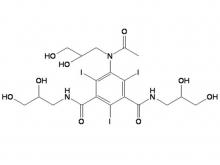
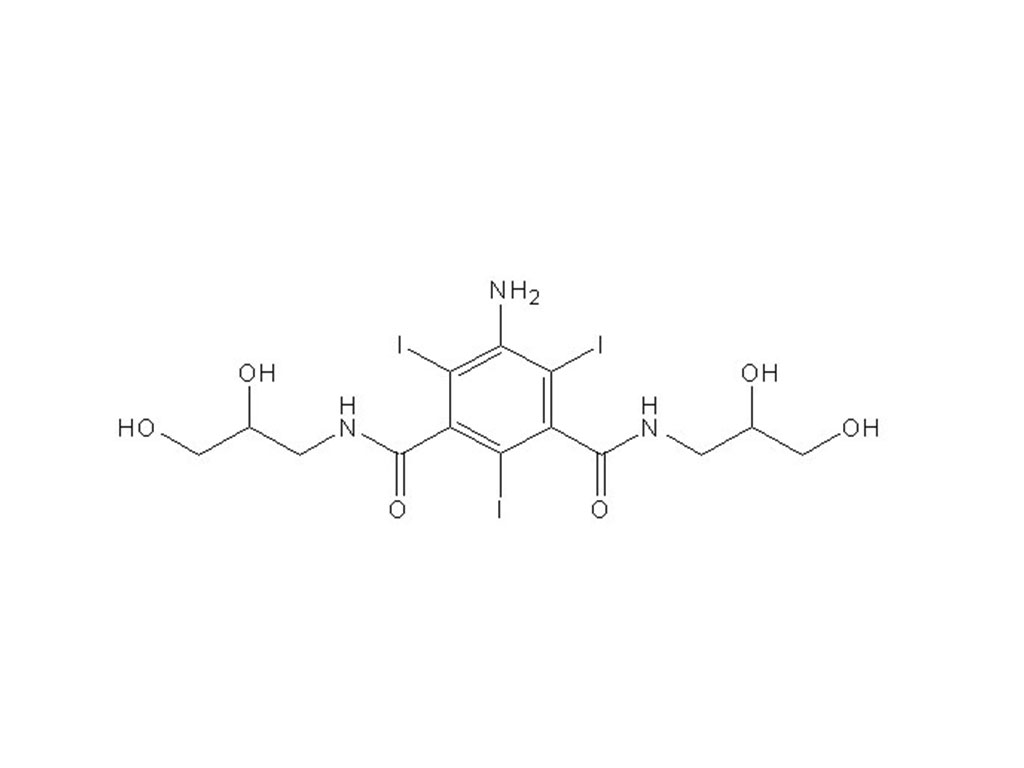
ar 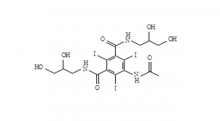 Iohexol Intermediate 5-Amino-N,N'-bis(2,3-dihydroxypropyl)-2,4,6-triiodo-1,3-benzenedicarboxamide
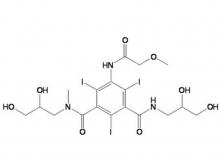
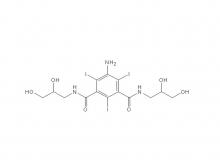 Iohexol/Ioversol Intermediate 5-Amino-N, N'-bis(2,3-dihydroxypropyl)-2,4,6-triiodo-1,3-benzenedicarboxamide
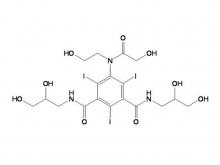
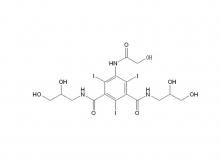 Ioversol Intermediate (order based) N, N'-Bis(2,3-dihydroxypropyl)-5-(glycoloylamino)-2,4,6-triiodoisophthalamide
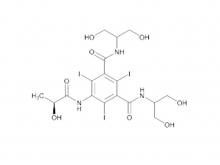
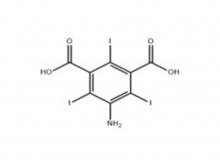 Iopamidol Intermediate (order based) 5-Amino-2,4,6-triiodoisophthalic acid
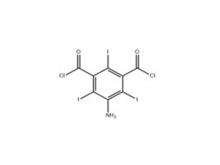 Iopamidol Intermediate (order based) 5-Amino-2,4,6- triiodisophthaloyl acid dichloride
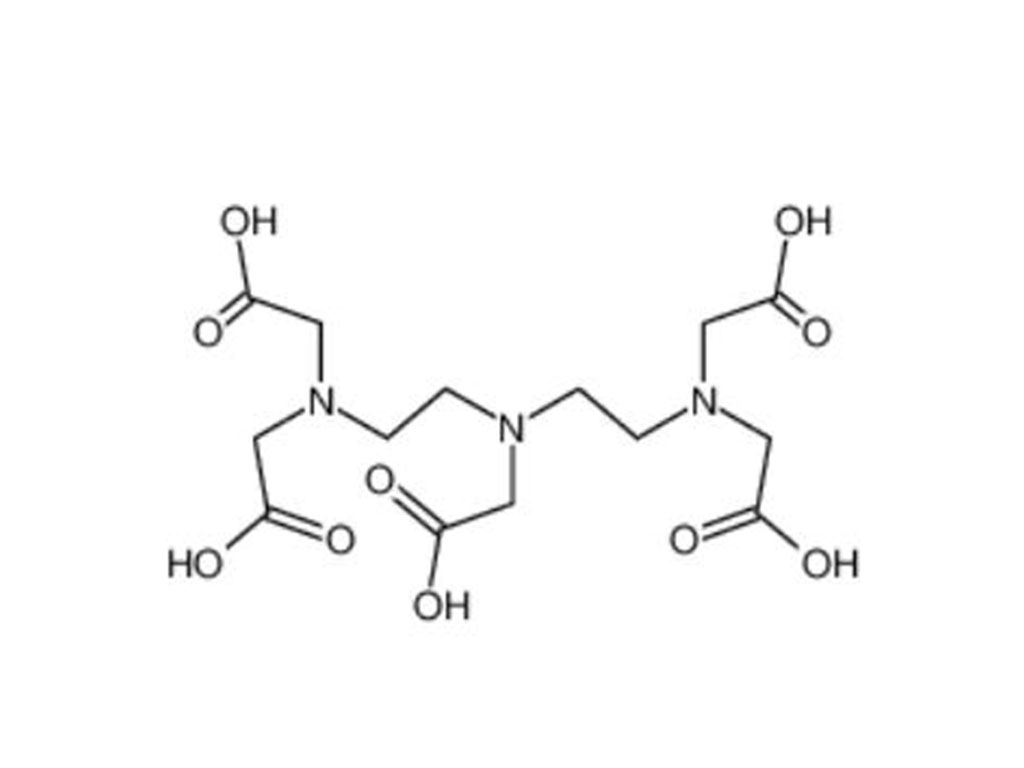
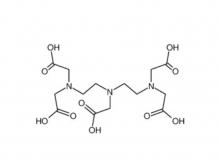 Diethylenetriaminepentaacetic acid (DTPA)
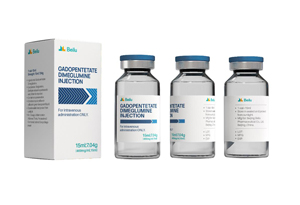
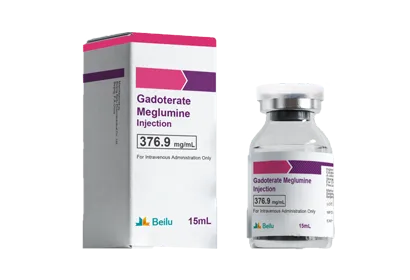





 Call us on:
  Email Us:
  No.3 Shuiyuan West Road, Miyun District, Beijing, China